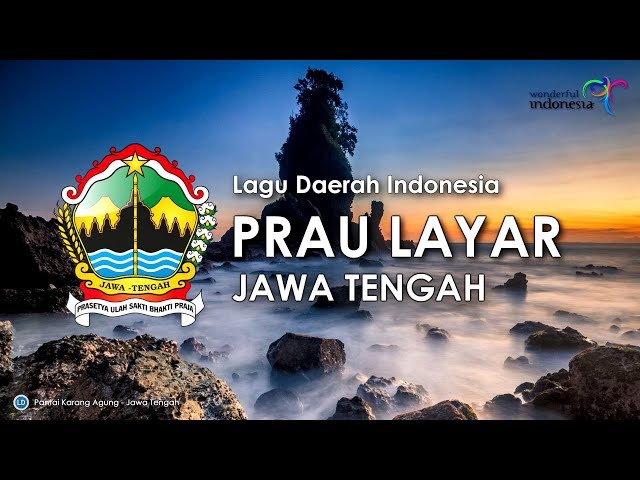

The ultimate guide to the Prau Layar song by Ki Nartosabdo. Discover the original Javanese lyrics, English translation, guitar chords, and the profound philosophy of work-life balance.
Table of Contents
Prau Layar: A Nautical Escape and the Spirit of Hard Work
If you are a fan of Campursari music or traditional Javanese Gamelan, the cheerful intro of “Prau Layar” (The Sailboat) is undoubtedly familiar. Originating from Central Java, this song is one of the most frequently played tracks at traditional weddings, shadow puppet (wayang kulit) performances, and cultural festivals across Indonesia.
However, did you know that beneath its joyful and upbeat rhythm lies a strong message about time discipline? This song is not merely a tune about riding a boat; it is a wise piece of advice regarding the concept of work-life balance, beautifully packaged in the traditional Javanese worldview. Whether you are a cultural researcher in 2026 or simply a music lover, this guide will dissect the song’s profound heritage.
Support with Subscribe: Lagu Daerah Indonesia
History & Philosophical Meaning: The Genius of Ki Nartosabdo
Visible Reasoning (Validating the Creator): Unlike many ancient regional songs that are often credited as anonymous (“NN”), “Prau Layar” has a clear, historically validated creator: Ki Nartosabdo (1925–1985). He was a legendary shadow puppet master (Dalang) and a musical revolutionary. Ki Nartosabdo was renowned for his genius in blending classical gamelan with “pop” elements, creating lyrics that were easily digestible for the general public during his era.
The Philosophy Behind the Lyrics: The song narrates the story of a group of friends taking a weekend trip to the beach on a Sunday.
- Escapism (Healing from Fatigue): The lyric “ngilangake roso lungkrah lesu” (eliminating the feeling of exhaustion and fatigue) highlights the importance of mental rest. The ocean and the sailboat act as a medium for healing from daily routines.
- Time Discipline: The philosophical peak of the song lies in its final verses. Even though they are having fun, when they see the coconut trees waving (a natural sign that the afternoon wind is blowing and evening is approaching), they realize it is time to go home.
- Work Ethic: The closing line “Dene sesuk esuk tumandang nyambut gawe” (Because tomorrow morning we must get back to work) serves as a strict reminder. Leisure and entertainment should never make one neglect their responsibilities. A vacation is simply a stepping stone to return to work with a refreshed mind.
Lyrics & Translation
Below are the original lyrics in standard Javanese spelling, accompanied by their contextual English translations.
Yo konco ning gisik gembiro
Come on friends, to the beach joyfully

Alerap-lerap banyune segoro
The ocean water is sparkling (under the sun)

Angliyak numpak prau layar
Moving together riding a sailboat

Ing dinten minggu keh pariwisoto
On Sunday, there are many tourists

(Chorus / Faster Tempo)

Alon praune wis nengah
Slowly the boat has reached the middle (of the sea)

Byak byuk byak banyu binelah
Byak byuk byak (the sound of splashing waves), the water is parted

Ora jemu-jemu karo mesem ngguyu
Never getting bored, while smiling and laughing

Ngilangake roso lungkrah lesu
Eliminating the feeling of exhaustion and fatigue

Adik njawil mas, jebul wis sore
Little sister pokes older brother, it turns out it's already evening

Witing kelopo katon awe-awe
The coconut trees seem to be waving

Prayogane becik balik wae
It's best that we just go back

Dene sesuk esuk tumandang nyambut gawe
Because tomorrow morning we must get back to work
Music Guide & Guitar Chords
Traditionally, this song is played with a Gamelan ensemble using the Pelog Pathet Nem tuning. The musical character is grand yet rhythmic and upbeat (Irama Lancar).
If adapted for modern instruments (Acoustic Guitar or Keyboard) in a Campursari style, the song is usually played in the Key of C or G with a Keroncong or Dangdut Koplo beat.
Here are the basic chords (Key of C = Do) that are easy to play:
Intro: C  F  G  C

C
Yo konco ning gisik gembiro
                    G
Alerap-lerap banyune segoro
       F            G
Angliyak numpak prau layar
       F      G        C
Ing dinten minggu keh pariwisoto

Chorus:
       C             F
Alon praune wis nengah
       G             C
Byak byuk byak banyu binelah
       C             F
Ora jemu-jemu karo mesem ngguyu
       G             C
Ngilangake roso lungkrah lesu

Bridge:
       F           C
Adik njawil mas, jebul wis sore
       G           C
Witing kelopo katon awe-awe
       F           C
Prayogane becik balik wae
       G           C
Dene sesuk esuk tumandang nyambut gawe
Musical Tip: During the part “Byak byuk byak”, use a firmer, more percussive strumming technique on your guitar to mimic the sound of the ocean waves crashing against the wooden hull of the boat. Keep the tempo lively!
Frequently Asked Questions (FAQ)
Q1: What is the meaning of the metaphor “Witing kelopo katon awe-awe”?
Answer: Literally, it means “The coconut trees seem to be waving.” This is a beautiful Javanese personification. The coconut leaves blown by the late afternoon breeze look like hands waving, giving a natural signal that dusk is approaching and it is time to head home safely.
Q2: Which singers popularized this song in the modern era?
Answer: While Ki Nartosabdo’s original Gamelan version is legendary, the song exploded into mainstream pop culture through Campursari legends like Didi Kempot, Manthous, and the maestro Waldjinah. These modern covers introduced Prau Layar to younger generations.
Q3: Is this a children’s song or meant for adults?
Answer: The lyrics are universal. Children enjoy it because of the cheerful melody and the story of going to the beach. However, the final line about “returning to work” clearly indicates that the underlying moral message is targeted at adults and the working class.
Conclusion & Recommendations
“Prau Layar” is brilliant proof that traditional Javanese culture is not solely about sorrow, mysticism, or rigid etiquette. This song celebrates the joy of life, the beauty of the maritime landscape, and the paramount importance of maintaining productivity. It is a timeless message that remains incredibly relevant to our modern, fast-paced lives.
Support with Subscribe: Lagu Daerah Indonesia
Other Timeless Javanese Songs:
- Gundul-Gundul Pacul (A deeply philosophical song about Javanese leadership).
- Gambang Suling (Another masterpiece by Ki Nartosabdo about a traditional flute).
- Suwe Ora Jamu (A popular folk song about parting and meeting again).
References:
- Supadjar, D. (2001). Mawas Diri Bersama Ki Nartosabdo. Yogyakarta: Pura Pustaka.
- Central Java Provincial Culture Office: Compilation of Javanese Gending & Campursari.
- Indonesian Journal of Performing Arts: Structural Analysis of Ki Nartosabdo’s Musical Compositions.
