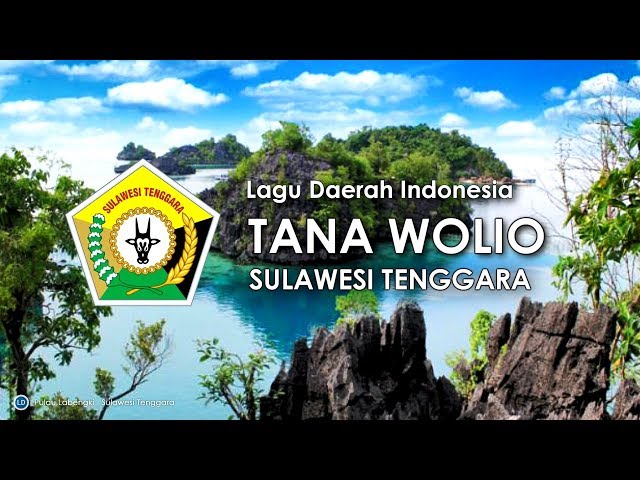

The ultimate guide to the Tana Wolio song from Baubau, Southeast Sulawesi. Discover the original Wolio lyrics, English translation, history, and philosophical meaning of the Buton Palace Fortress.
Table of Contents
Tana Wolio: The Epic Tale from the World’s Broadest Fortress
If you visit the city of Baubau in Southeast Sulawesi, there is one melody that seems to merge with the sea breeze hitting the ancient limestone walls of the Buton Palace Fortress. That song is “Tana Wolio”. Far more than just a regional tune, it serves as the unofficial “hymn” that narrates the glory, fertility, and dignity of the Buton land, which once stood as a powerful and independent sultanate in eastern Nusantara.
For the Butonese people, this song is the ultimate representation of their identity. Sung with deep solemnity and pride, it often gives listeners goosebumps due to the majestic historical aura it carries. For researchers, students, and cultural enthusiasts in 2026 looking to explore the heritage of Southeast Sulawesi, this article comprehensively dissects the song from both linguistic and historical perspectives.
Support with Subscribe: Lagu Daerah Indonesia
History & Philosophical Meaning: The Blessed Land of Minerals
Visible Reasoning (Etymology & Historical Context): Etymologically, “Tana” means land, and “Wolio” refers to the core territory inside the royal fortress (which is now modern-day Baubau). Therefore, “Tana Wolio” literally translates to the Land of Wolio or the Land of Buton.
Unlike playful traditional folk songs (lagu dolanan), the lyrics of Tana Wolio contain strong Sufi-Islamic philosophies, reflecting the Buton Sultanate’s history as a major center for Islamic propagation in Sulawesi. Every stanza illustrates a profound pride in a land that is fertile, prosperous, and heavily protected.
A striking cultural symbol closely associated with the spirit of this song is the philosophy of the Pineapple (Nanas), an emblem frequently found on Butonese traditional roofs and fortress gates. A pineapple has a thick, thorny exterior—symbolizing the fortress’s impenetrable defense and the military strength of Buton. Yet, inside, the fruit is incredibly sweet—representing the warm hospitality of the Butonese people and the welfare guaranteed to all citizens living under the Sultan’s protection. The song “Tana Wolio” perfectly reflects this balance of formidable strength and internal harmony.
Lyrics & Translation
Below are the lyrics in the Wolio language, validated against the standard phonetic transcription of the Buton region, along with their contextual English translations.
Tana wolio liwuto bau
Land of Wolio, the newly found (or fragrant) island

Bura satongka au walina
Like a gem that glows brilliantly from within

Induwina tana mina
Its soil contains oil (extremely fertile and rich in minerals)

Hengkga inuncana liwu
Its fragrance spreads deeply throughout the nation

(Chorus / Second Part)

Uwe moli’i uwe
The water that flows is cold (refreshing and purifying)

Moli’ina saangu kompo
Its coolness unites us in one stomach (symbolizing true brotherhood)

Sama-sama tana wolio
Together in the Land of Wolio

Wajibu poadahi
It is our absolute duty to protect and care for one another
Music Guide & Guitar Chords
This song possesses a Grand and majestic nuance. Unlike upbeat regional dances, Tana Wolio is traditionally performed at a moderate but powerful tempo (Maestoso). The vocal delivery must be full-bodied and deeply expressive to convey a sense of patriotism.
For those wanting to play this on a guitar or piano, here is the basic chord progression (Key of C = Do):
Intro: C  G  F  G  C

C                  G
Tana wolio liwuto bau
F        G         C
Bura satongka au walina
C        C7        F
Induwina tana mina
C        G         C
Hengkga inuncana liwu

Chorus:
Am       Em
Uwe moli’i uwe
F        G           C
Moli’ina saangu kompo
F                  C
Sama-sama tana wolio
G        G7        C
Wajibu poadahi
Musical Tip: During the chorus (“Uwe moli’i uwe”), play a softer arpeggio or gentle strumming to depict the imagery of flowing, refreshing water. Then, strike the chords firmly on the line “Wajibu poadahi” to emphasize the strict pledge of loyalty and protection.
Frequently Asked Questions (FAQ)
Q1: What is the difference between the Wolio language and other languages in Southeast Sulawesi?
Answer: Historically, the Wolio language was the elite “Court Language” of the Buton Sultanate, used exclusively by nobles and in ancient manuscripts. It differs from the coastal trading languages or the daily vernacular used by the general public, such as the Cia-Cia or Pancana languages.
Q2: Why do the lyrics mention “Tana Mina” (Land of Oil)?
Answer: Metaphorically, this phrase praises the region’s immense natural wealth and fertility. Literally, it is incredibly accurate; Buton Island is renowned globally as one of the world’s largest producers of natural asphalt, which is a derivative of petroleum and hydrocarbons, proving the historical foresight of the lyrics.
Q3: On what occasions is the Tana Wolio song usually performed?
Answer: This song is a mandatory performance during official government ceremonies in Baubau City and Buton Regency. It is also sung to welcome honored state guests at the Palace and during major cultural celebrations, such as the annual Buton Palace Festival.
Conclusion & Recommendations
“Tana Wolio” teaches us that loving our homeland is an honorable duty and a testament to our faith. The song serves as an intangible monument, ensuring that the younger generation never forgets the majestic history, brotherhood, and natural wealth protected within the walls of the Buton Palace Fortress.
Support with Subscribe: Lagu Daerah Indonesia
Other Beautiful Songs from Southeast Sulawesi:
- Peia Tawa-Tawa (A Southeast Sulawesi regional song celebrating togetherness and joy).
- Wulele Sanggula (A traditional Tolaki song about a beautiful, fragrant flower).
- Kabhanti (Traditional Butonese rhythmic poetry often sung during cultural gatherings).
References:
- Zahari, A. M. (1977). Sejarah dan Adat Fiy Darul Butuni (Buton). Proyek Pengembangan Media Kebudayaan, Ministry of Education and Culture.
- Halu Oleo University (Cultural Studies Journal): “Nilai-Nilai Budaya dan Filosofi dalam Lirik Lagu Tana Wolio.”
- Baubau City Tourism and Culture Office: Inventory of Butonese Arts and Intangible Heritage.
